Looking for an in-town Staunton area that feels practical, local, and full of forward momentum? The West End corridor offers a different experience than a picture-perfect main street. If you are considering a move in Staunton or simply want to understand how this part of the city fits together, this guide will help you get a clearer feel for the streetscape, daily convenience, and signs of change shaping the area. Let’s dive in.
What the West End corridor is
Staunton’s West End is generally centered on West Beverley Street and the city’s western neighborhoods around it. City planning documents frame this area as an evolving, multimodal part of Staunton with a mix of homes, local businesses, services, and civic investment.
That matters if you are home shopping nearby. Instead of feeling like a single-purpose retail district, the West End reads more like an in-town corridor with real day-to-day activity. You will see a blend of residential roots, working businesses, and public improvements that point to long-term reinvestment.
What the West End feels like
One of the best ways to describe the West End is mixed-use and in transition. City materials note that West Beverley was originally more residential, with historic homes, and later rezoning introduced more commercial uses over time.
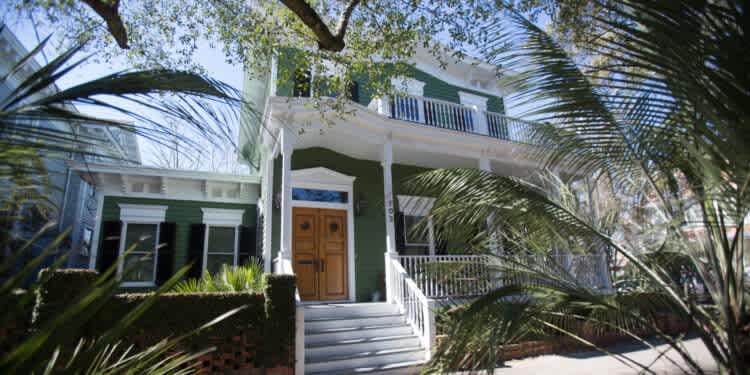
Today, that creates a streetscape with renovated homes, converted dwellings, small commercial sites, masonry buildings, and a wide variety of signs and storefronts. It feels lived-in and functional, not overly polished. For many buyers, that can be appealing because it signals a part of town with history, utility, and room to keep evolving.
A corridor with local character
Because West Beverley is one of Staunton’s designated entrance corridors, the city uses corridor guidelines and design review to shape how it looks and how it transitions toward nearby historic areas. Those standards encourage stronger street edges, more human-scale design, landscaping, and better screening for parking and utility areas.
In practical terms, you may notice a corridor that still shows its layered history while also moving toward a more cohesive look. That combination gives the West End a grounded, everyday character that feels distinct from more tourism-focused parts of Staunton.
Close to historic downtown
The West End also benefits from its connection to the city core. Downtown Staunton is known for being compact and walkable, with independently owned shops, restaurants, galleries, and historic landmarks.
Just beyond the corridor, the Beverley Historic District offers another point of context. The district was listed on the National Register of Historic Places in 1981, and many of its buildings date from the 1870s through the 1920s. That nearby historic backdrop adds to the appeal of living in or near the West End without overstating the corridor itself as one uniform historic district.
Getting around the West End
If walkability and day-to-day mobility matter to you, the West End has seen meaningful upgrades. The biggest recent change is the West Beverley Street Improvement Project, completed in summer 2025.
According to the city, the project upgraded sidewalks at 18 intersections, added about 600 feet of new sidewalk west of Grubert Avenue, repaved West Beverley from the western city limits to West Frederick, and added bike lanes in parts of the corridor. These improvements are important if you want a more comfortable experience getting around on foot or by bike.
Driving access
Staunton’s location at the intersection of I-64 and I-81 makes the city easy to reach from several directions. Official directions point drivers from I-81 Exit 222 onto Route 250 West toward historic downtown, then onto Route 11 Business and Greenville Avenue.
For buyers who commute within the Shenandoah Valley or want straightforward regional access, that road network is part of the West End’s convenience. You get an in-town setting with practical connections beyond the neighborhood.
Transit and parking
The city lists BRITE Bus Transit Service, the Staunton North and West Loops, and the Downtown Trolley as local mobility options. That gives residents and visitors more than one way to move through the city, depending on where they are headed.
Parking is also relatively manageable for quick trips into central Staunton. The city offers free two-hour street parking on several downtown streets, along with free parking in some downtown lots and free weekend and city-holiday parking in city-owned surface lots and the Johnson Street Garage. For everyday errands, lunch plans, or an afternoon downtown, those policies help reduce friction.
Shops, food, and everyday stops
The West End is not defined by one big shopping hub. Instead, it offers a practical mix of dining, service businesses, and local stops that support day-to-day life.
Current examples in and around the corridor include KIM, TreeHouse Juice Bar, Queen City Music Studios, Frontline Model Kits & Hobbies, West Beverley Restaurant, Los Primos Mexican Grill, Kline’s Dairy Bar, and Hog Wild BBQ. Together, they help paint a picture of a place where you can grab lunch, stop for a treat, run an errand, or spend time at a specialty business without needing a full-day outing.
Why that matters for homebuyers
When you are choosing where to live, convenience is often about the small things. Having nearby places for casual meals, quick stops, and hobby or service needs can shape how a neighborhood feels on a normal Tuesday, not just on the weekend.
In the West End, that daily-use mix is a big part of the appeal. The corridor feels local and functional, which can be a strong fit if you want an in-town lifestyle with practical access to both neighborhood businesses and downtown Staunton.
Why the West End is getting attention
The West End is changing, and that is one reason more buyers are paying attention to it. Staunton adopted the West End Revitalization Strategy in December 2024 after a community process that involved about 300 residents and stakeholders.
The plan frames the area as a future vibrant, diverse, and multimodal community with local shops and services. While revitalization takes time, the strategy shows clear city-level focus on the corridor’s future.
Public investment is already visible
This is not just talk on paper. The completed street project has already changed the experience of West Beverley in visible ways, especially through sidewalk, paving, and bike-lane improvements.
Another major civic investment is the new Staunton Juvenile & Domestic Relations District Courthouse, which opened on December 19, 2025, at 2020 West Beverley Street on the former Chestnut Hills Shopping Center site. City leaders have described the remaining property as still under conceptual planning for future use, and earlier planning materials positioned the site as a potential catalyst for broader West End revitalization.
What kinds of homes you may find nearby
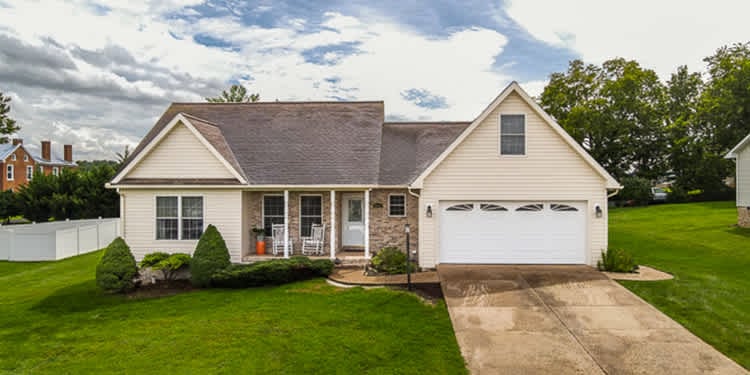
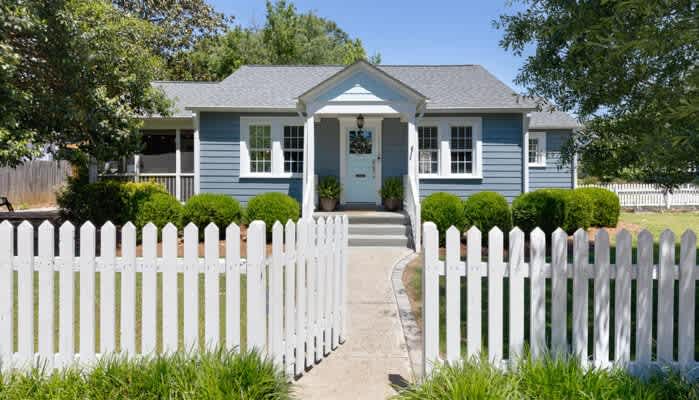
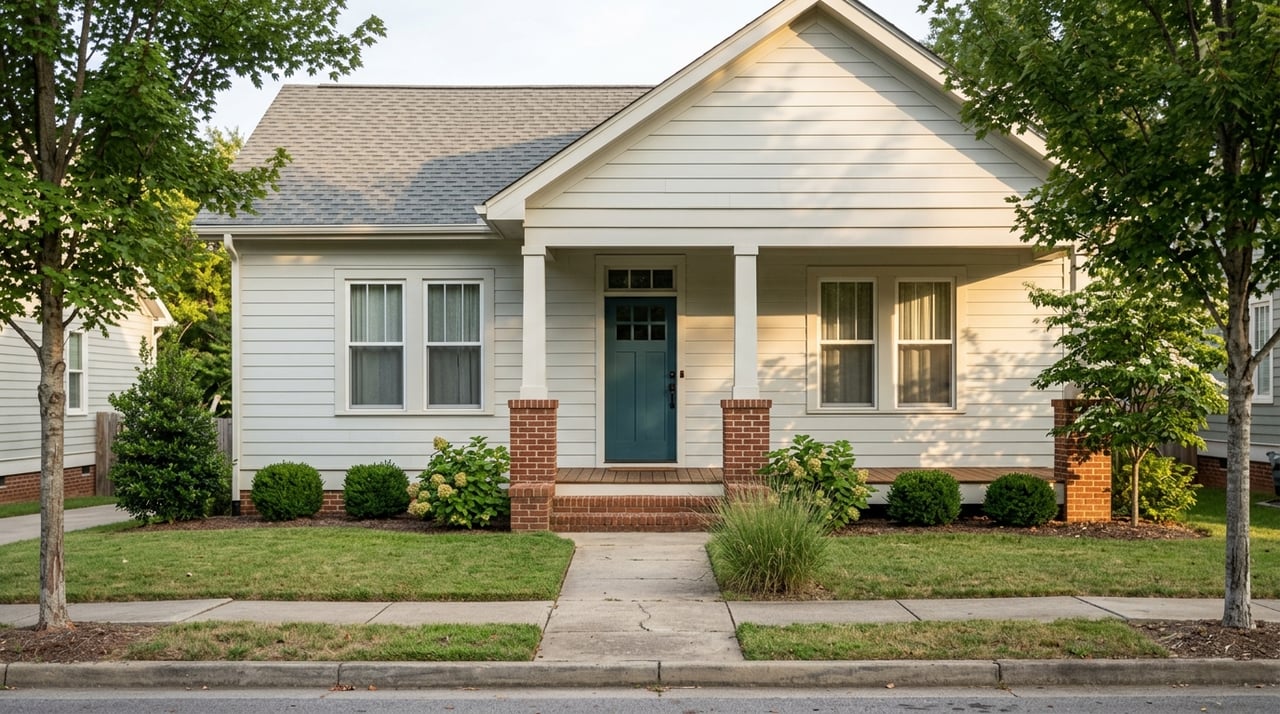
The research on the West End speaks most clearly to the corridor’s built form rather than active listing inventory. What stands out is a mix of older residential patterns, renovated homes, converted properties, and nearby commercial uses that reflect the area’s long evolution.
For buyers, that can mean more architectural variety than you might find in a newer subdivision. You may see traditional homes, properties with mature lots, and streets that feel connected to Staunton’s older development pattern.
A different kind of in-town option
If you are comparing Staunton neighborhoods, the West End can appeal to buyers who value character over sameness. It may also fit people who want to be near downtown and everyday services while keeping an eye on an area with active public investment.
That does not mean every block will feel identical or fully transformed. In fact, part of the West End’s identity is that it is still evolving. For some buyers, that is exactly the draw.
Is the West End right for you?
The West End corridor may be worth a closer look if you want an in-town Staunton setting with local businesses, improved pedestrian infrastructure, and a clear story of reinvestment. It offers a practical, lived-in feel that is different from more polished retail areas.
It may be especially appealing if you value:
- Proximity to downtown Staunton
- A mix of residential and commercial surroundings
- Recent sidewalk and bike improvements
- Access to local dining and small businesses
- A neighborhood area that is changing over time
If your goal is to buy or sell in a part of Staunton where context matters, local guidance can make a real difference. Street feel, corridor plans, and block-by-block variation all shape how you evaluate value and fit.
When you are ready to explore Staunton neighborhoods with clear, honest guidance, Nest Realty- Shenandoah Valley, VA is here to help you navigate the market with confidence.
FAQs
What is the West End corridor in Staunton, Virginia?
- The West End generally refers to Staunton’s western neighborhoods centered on West Beverley Street, with a mix of homes, businesses, services, and civic investment.
What does the West End in Staunton feel like day to day?
- The area feels mixed-use, local, and in transition, with historic residential roots, converted buildings, small businesses, and visible public improvements.
Can you walk or bike in Staunton’s West End?
- Yes, with some important context. The city completed sidewalk upgrades at 18 intersections, added new sidewalk, repaved West Beverley, and added bike lanes in parts of the corridor in 2025.
Is the West End corridor in Staunton changing?
- Yes. The adopted West End Revitalization Strategy, the completed West Beverley street improvements, and the new courthouse all point to sustained reinvestment in the area.
What kinds of businesses are in Staunton’s West End?
- The corridor includes a mix of dining, retail, hobby, wellness, and service-oriented businesses, including local restaurants, a juice bar, a music studio, and specialty retail.
Is the West End close to downtown Staunton?
- Yes. The corridor connects practically to downtown, which is known for its walkable layout, local shops, restaurants, galleries, and historic landmarks.