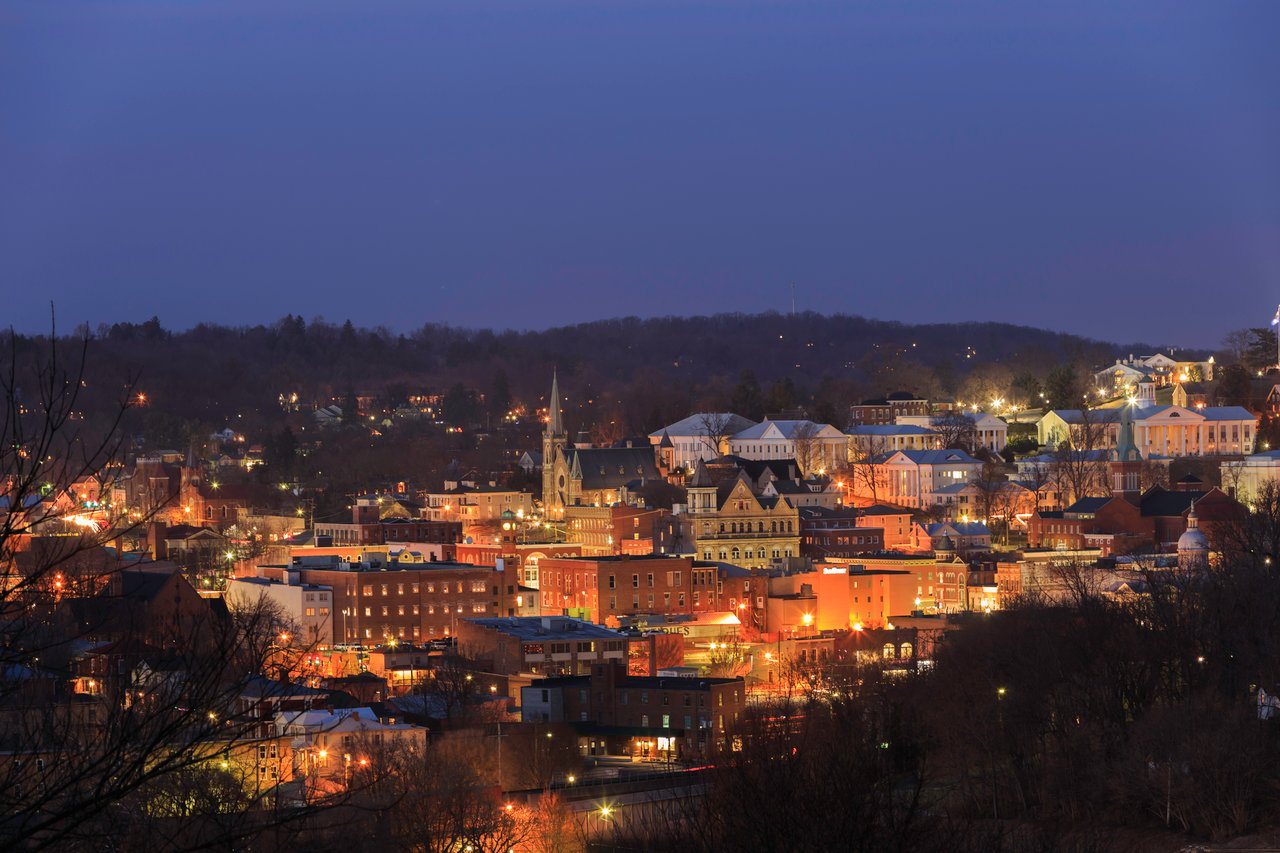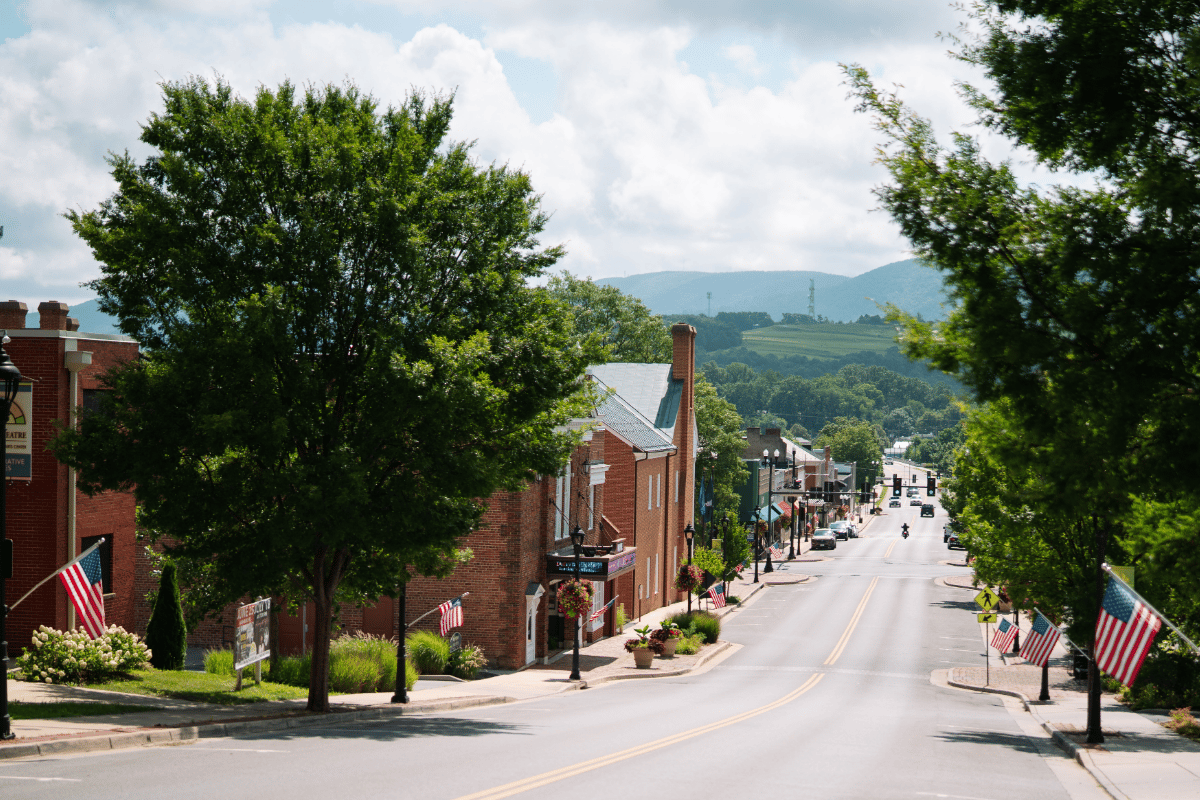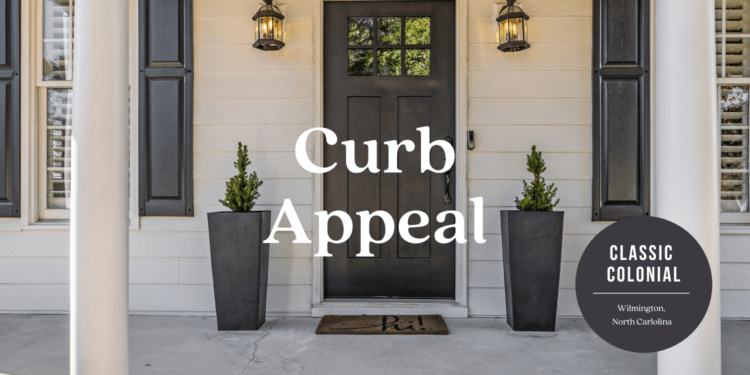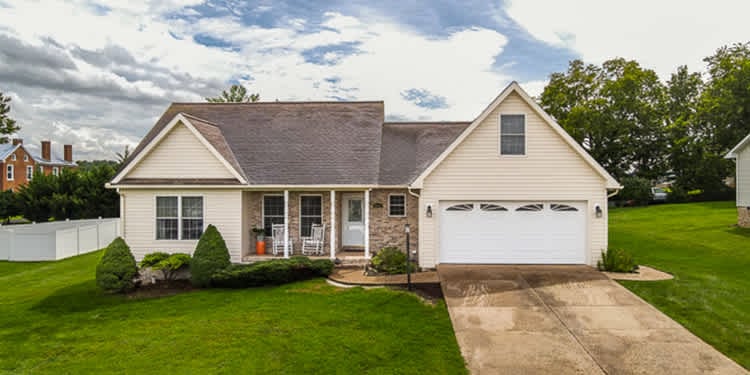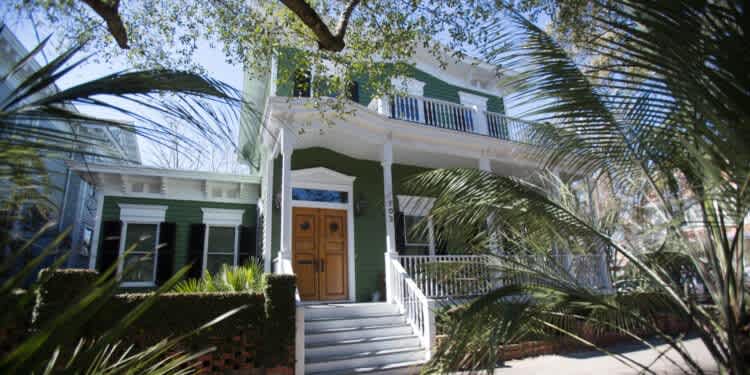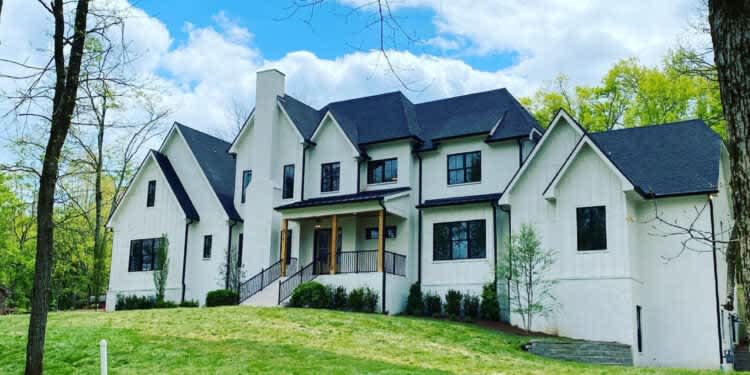
Most of the houses on Maple, Walnut and Chestnut date from the early 20th century, according to the Virginia Department of Historic Resources. That makes many of them older than the Wayne Theatre. The building on West Main has had a much rougher century than the porches south of downtown. It lost nearly all of its original elements in a 1949 expansion and was gutted by fire in 1980. It closed in 1999 and was handed to the city. It reopened in 2016 only because a group of residents had refused to let it come down.
The theatre turned 100 this year, and Waynesboro is marking the anniversary with a story about repeated rebuilding. On Sunday, November 22, the full account runs from the exhibit to the screen to the reception, all within a short stretch of West Main.
Two Products of the Same Town's Growth
The Tree Streets and the Wayne came out of the same pattern of growth. The neighborhood was laid out by the Waynesboro Company during the development boom of the 1880s and early 1890s. Most of its houses went up in the early 20th century, in Classical Revival, Tudor Revival, Arts and Crafts and Colonial Revival styles, along with American Foursquares and bungalows. DHR notes that the arrival of a DuPont Company cellulose acetate plant also prompted high-quality speculative housing in the neighborhood.
The Wayne opened on January 18, 1926, as a vaudeville and movie house. It billed itself as the "finest theatre in the Shenandoah Valley." It had an orchestra pit with an organ, and a small "Wayne Orchestra" played for the audience before each program. According to a contributor entry on Cinema Treasures, the opening bill featured Sid Chaplin in Charlie's Aunt, with Helen McElroy at the organ.
When Waynesboro's growth peaked again after World War II, both places felt it. The Wayne's own timeline credits the 1949 expansion to "boom times in Waynesboro." That expansion also stripped out almost everything the 1926 audience would have recognized.
A Century Told in Rebuilds
The new exhibit at the Waynesboro Heritage Museum, "On With the Show: A Century of the Wayne Theatre in Waynesboro, Va.," follows the theatre through each of these changes. The Waynesboro Heritage Foundation developed it in partnership with the Wayne. Here is the building's history at a glance, before you walk in:
| Year | What happened to the Wayne |
|---|---|
| 1926 | Opens January 18 as a vaudeville and movie house |
| 1929 | RCA "talking machine" installed for talkies |
| 1949 | Boom-era expansion removes nearly all original elements |
| 1980 | Fire guts the building; owners convert it to a twin cinema |
| 1999 | Owners close the theatre and deed it to the city |
| 2000 | Citizens incorporate the Wayne Theatre Alliance as a 501(c)(3) |
| 2016 | Reopens March 1 as a restored performing arts center |
| 2019 | Education programs renamed Studio Wayne; final building on the block purchased |
The exhibit covers more than the building. The News Leader reported that it also looks at entertainment in Waynesboro before the Wayne opened, community fundraising and wartime activities, the effects of segregation, Black performance history, Virginia film censorship, and changing public attitudes toward movies and morality.
Museum curator Jeremy Hopkins described the exhibit's scope to The News Leader:
"In the exhibit, visitors can learn more about the theater's history and its role in Waynesboro and find out how Waynesborians have long been entertained and been the entertainers, from the late 1800s through the Great Depression and World War II, through the darkest days of segregation and racialized entertainment, and through the ups and downs of theatergoing."
The Part Neighbors Wrote
For 17 years, the Wayne stood as a building the city owned and residents were trying to save. The Wayne's timeline says the Wayne Theatre Alliance was incorporated in 2000 specifically "to prevent the demolishing of the Wayne." The theatre that reopened on March 1, 2016, was "historically restored, artistically updated and technologically current." Today the Wayne presents touring artists, produces local and regional shows, screens films and runs arts education for all ages through Studio Wayne.
The exhibit also covers that preservation effort. Its organizer has a similar background: the Waynesboro Heritage Foundation is a nonprofit founded in 1997 to preserve and share the city's history, and it runs both the Waynesboro Heritage Museum and the Plumb House Museum. Hopkins put the idea plainly in the same News Leader story: "We believe preserving and sharing our collective history is only possible with the community."
Sunday, November 22, Address by Address
The centennial's public celebration takes up a single Sunday afternoon, and every stop is a few doors from the others. Visit Waynesboro lists the program as free.
- Noon to 3 p.m., Waynesboro Heritage Museum, 420 W. Main St. The exhibit is open for viewing.
- 3:30 to 5 p.m., the Wayne Theatre, 521 W. Main St. A silent movie plays in the theatre whose history you just walked through.
- 5:30 p.m., The Russell, 518 W. Main St. The reception, held almost directly across from the theatre.
The Sunday hours are worth noting. The museum's regular schedule is Tuesday through Saturday, 10 a.m. to 5 p.m., so the noon-to-3 viewing on November 22 is a chance to see the exhibit on a day it would normally be closed. The Russell is a museum devoted to Walter and Lao Russell, and it rents out event space.
Bring one thing from the pantry. As a tribute to how the Wayne took admission in 1946, the museum asks reception guests to bring a canned food item for the Blue Ridge Area Food Bank. For updates before Sunday, the Heritage Foundation posts exhibit news at waynesboroheritagefoundation.com/new-on-with-the-show.
If Sunday Doesn't Work
The exhibit is free and stays up through June 5, 2027, so the centennial year can be a regular errand. Stop by on any Tuesday through Saturday between 10 a.m. and 5 p.m. The Heritage Foundation has also said it will share behind-the-scenes videos, archival images and historical facts.
The Block Stays Busy Into December
The restored Wayne's programming fills the weeks after the celebration. Here is what's on its calendar and nearby before the holidays:
- Monday, November 23, 5 to 7 p.m. A public reception at the Wayne Theatre gallery opens Mark Miller's "Project 61: A Year in Shenandoah National Park." Refreshments are provided and the artwork is for sale. Details from the Wayne. The exhibit itself runs through February 14, 2027.
- December 4 through 13. A Christmas Story: The Musical plays the Wayne, with evening and matinee performances.
- Saturday, December 5, 10 a.m. to 2 p.m. The Waynesboro Public Library hosts a Winter Market at 600 S. Wayne Ave.
- Monday, December 7, 2 p.m. and 7 p.m. The Wayne screens Pearl Harbor as a pay-what-you-will movie.
Taken together, the calendar shows what the Alliance's 2000 incorporation was meant to protect. A building the city was handed in 1999 now has a gallery opening, a holiday musical and a film on its schedule in the same three weeks.
The Tree Streets are a short walk from a downtown that keeps putting its history to use. Nest Realty - Shenandoah Valley follows that history closely, from the museum on West Main to the houses on Walnut and Maple. If you ever want to talk about what a home in one of Waynesboro's oldest neighborhoods means for your plans, we're happy to start that conversation over coffee after the show.