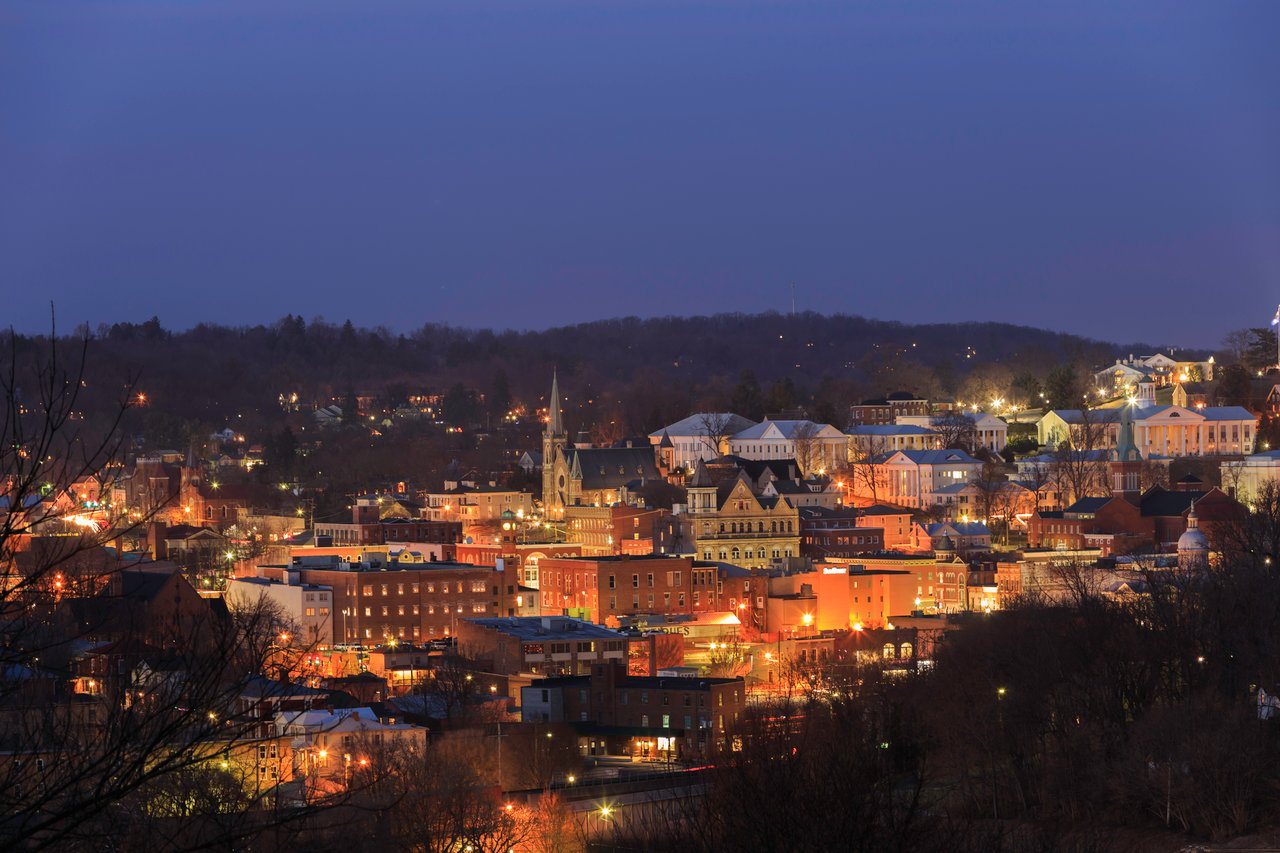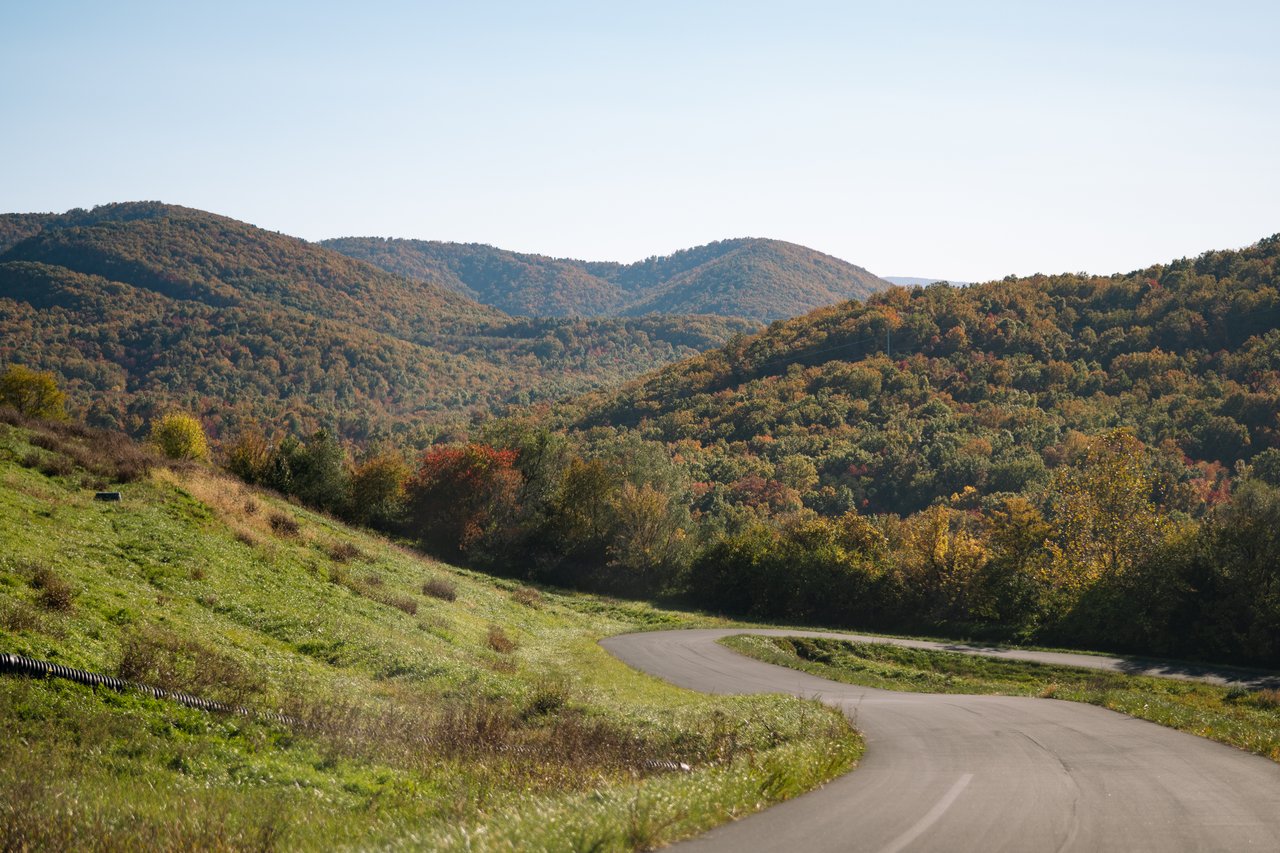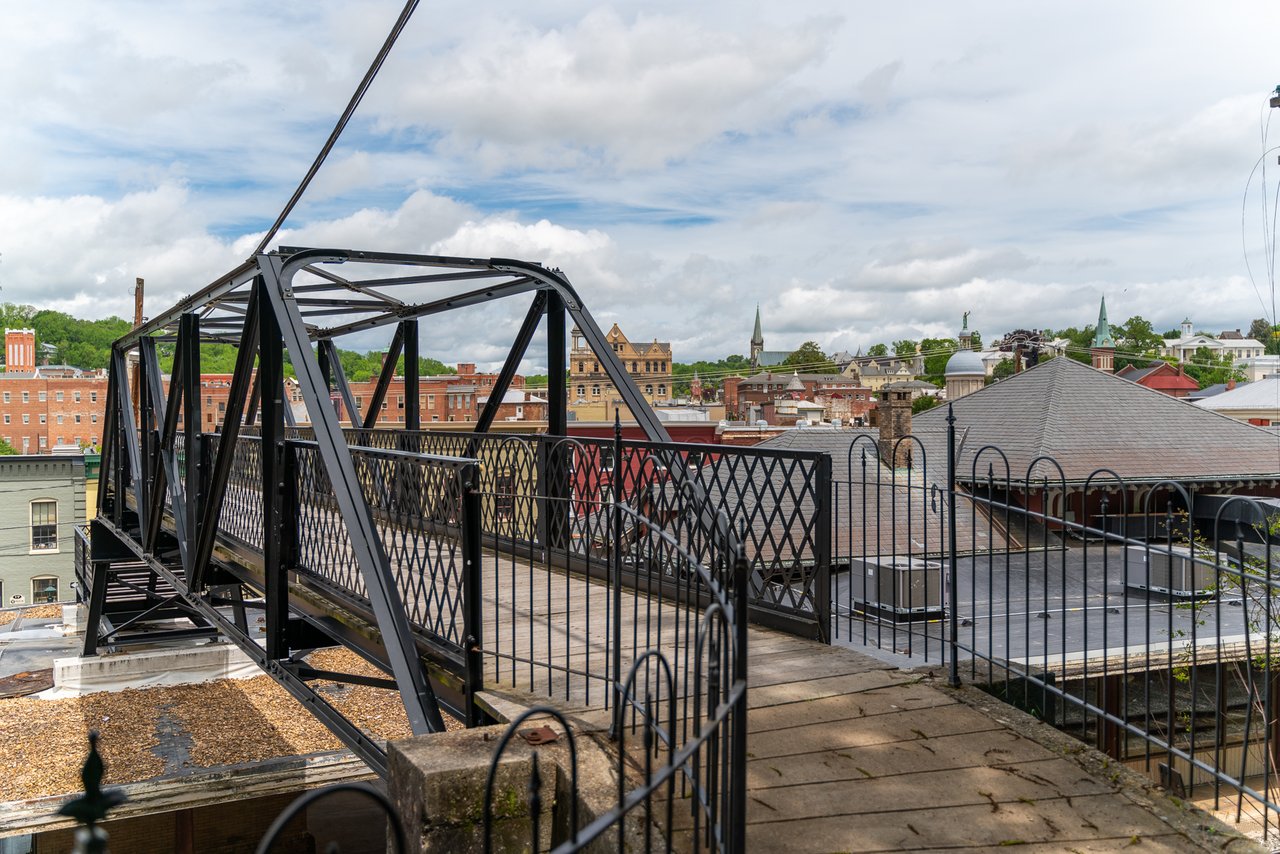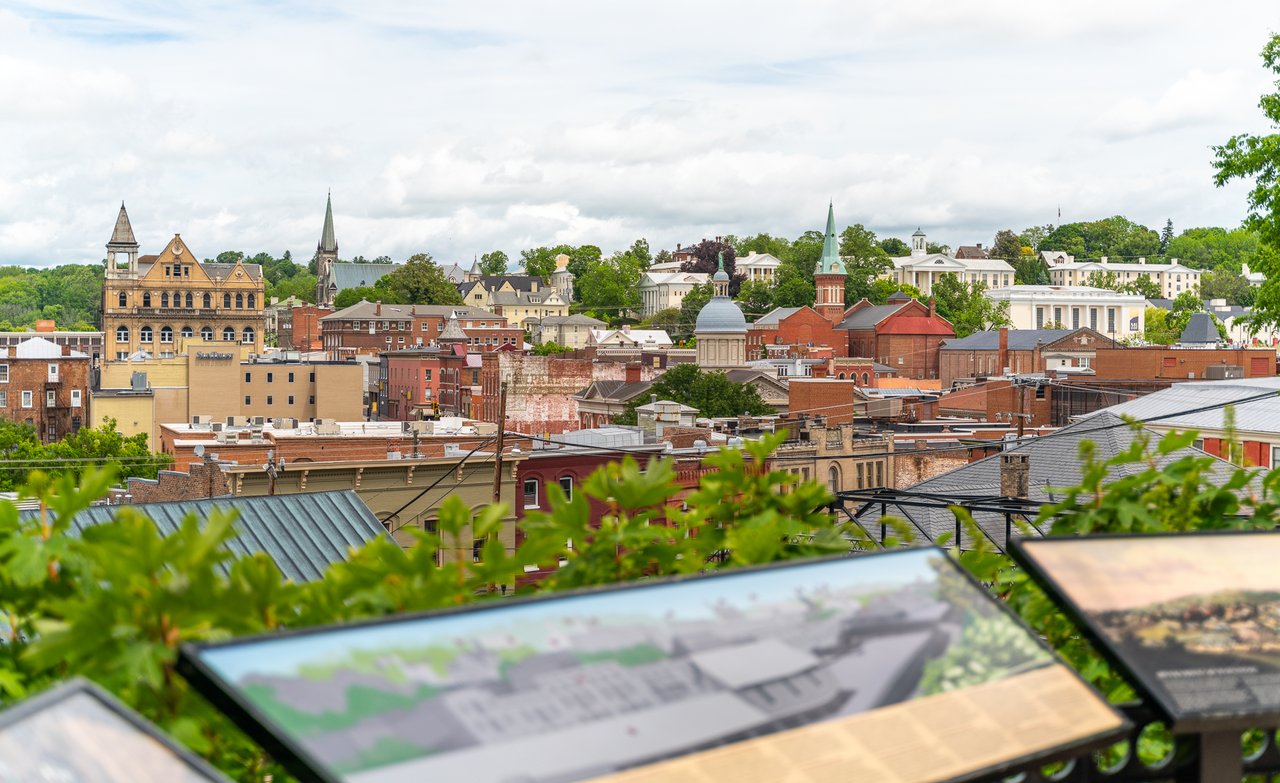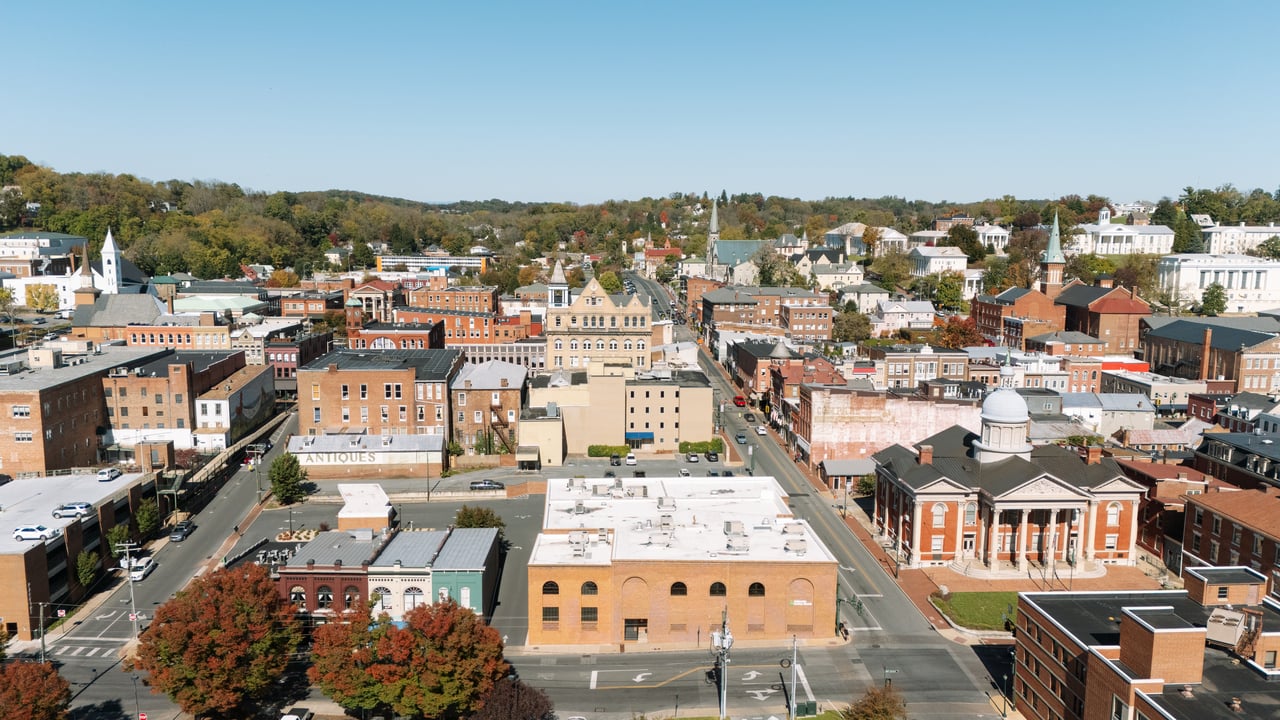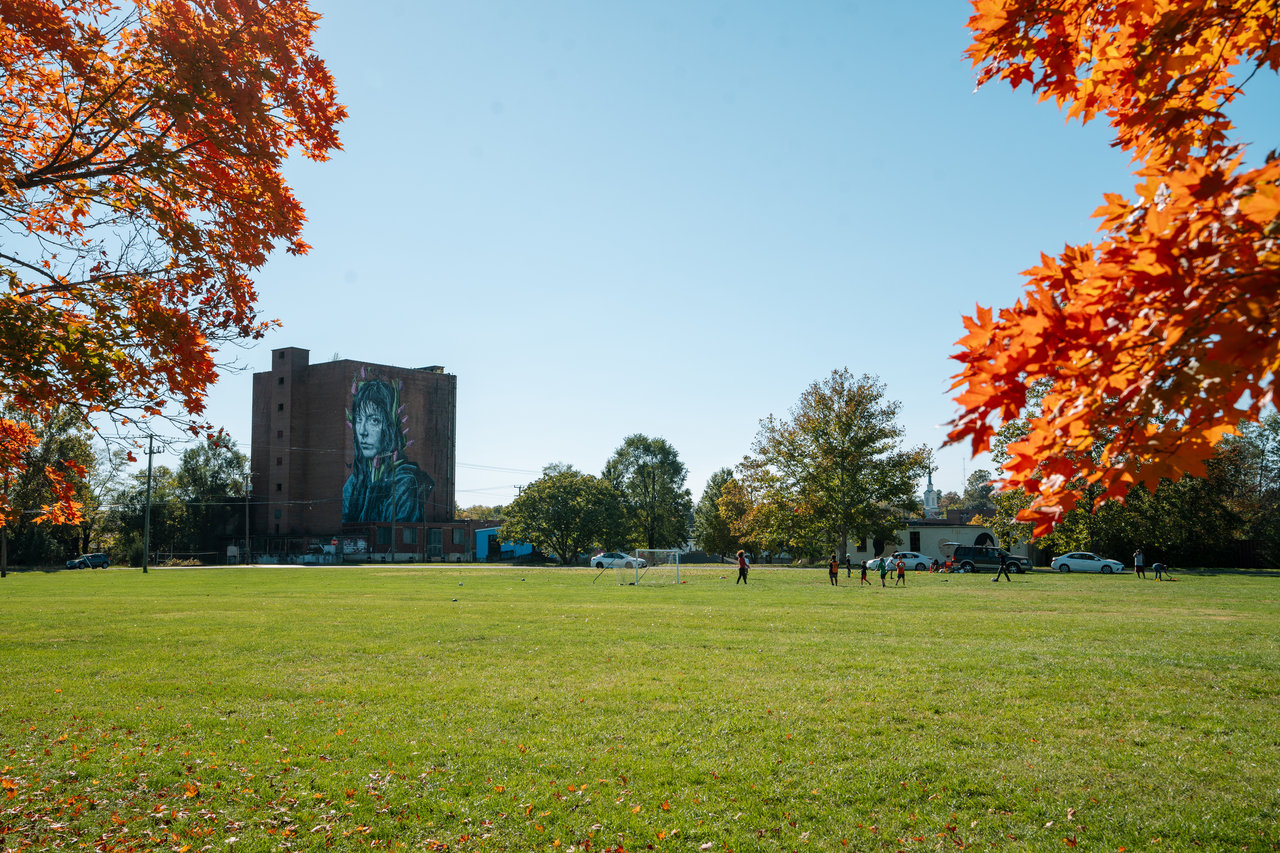
Walk from Gibbs Hill toward Gypsy Hill Park, less than a mile southwest, and the change shows up near the ballfields. The grass along Peyton Creek is left long. The channel curves where it used to run straight or underground. Young native plants fill banks that were once bare, eroding soil. Someone who last looked closely at the park a few years ago could take it for a maintenance crew falling behind.
That isn't what's happening. The park is now cared for around a stream that has a job to do, and the long grass is part of that job.
The Tall Grass Is the Plan
On September 24, 2026, Staunton City Council heard an update from Parks and Recreation Director Chris Tuttle. Councilor Overholtzer asked how the department had handled maintenance since the city opened up the buried streams in Gypsy Hill Park. Tuttle said Environmental Programs Administrator Willow Hughes had been very helpful during that process. He said the biggest changes have been leaving certain parts of the park near the stream unmowed and removing invasive species.
So the change in how the creek banks look is a decision the city made. The crews who used to keep the edge of the creek trimmed now leave parts of it alone, while still pulling out invasive plants that would crowd out the native ones.
What 1,500 Feet of Creek Was Rebuilt to Do
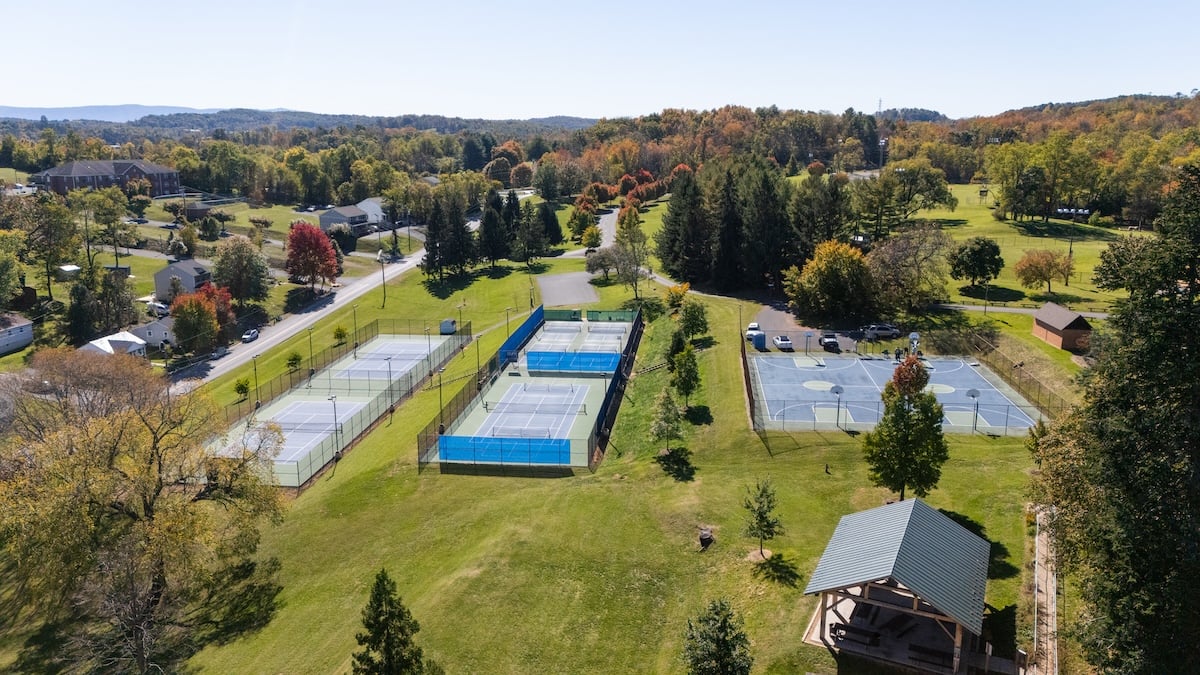
Peyton Creek is spring-fed, and it also takes in stormwater running off city streets. It flows through the middle of Gypsy Hill Park. The city says years of runoff from surrounding neighborhoods wore away sections of the creek and washed sediment downstream. The restoration covered about 1,500 linear feet of stream near the baseball fields, the pool, the mini train, the duck pond and the tennis courts. Crews uncovered buried sections, dug deeper pools, added an oxbow pond for trout habitat, and planted native vegetation. They worked around the park's historic and mature trees and kept them.
The bends in the channel do flood-control work. At the September 2025 ribbon-cutting, Hughes told WHSV that the new meanders let water "slow down and spread out onto the flood plain," so it moves through the park more slowly and does less damage downstream. She said the city also hoped this would ease flooding downtown somewhat during heavy rain.
"By daylighting the stream, creating new habitat, and protecting trees, we're improving the health of Peyton Creek and making Gypsy Hill Park even more enjoyable for residents and visitors." Willow Hughes, Staunton Environmental Programs Administrator
The city has put numbers on what the project keeps out of the water. According to the city, the restored stretch removes 33 pounds of phosphorus, 88.7 pounds of nitrogen and 103,200 pounds of sediment every year. That sediment figure works out to more than 50 tons of soil each year that stays in the park instead of washing downstream. The project also counts toward the pollution cuts Staunton is required to make under Chesapeake Bay rules, which the city aims to meet by 2028.
Construction Ran Long, Then the Plants Took Over
The project took longer than planned. That matters because it means the plantings along the creek are still young.
Date | What happened |
|---|---|
March 2024 | Construction begins, per Augusta Free Press |
October 2024 | WHSV reports the project is still on track for March 2025 |
March 2025 | The city still expects to finish by the end of the month |
May 2025 | Completion is pushed to early June |
September 25, 2025 | Ribbon-cutting across the new bridge over the restored stream |
September 24, 2026 | Parks director describes no-mow areas and invasive removal to Council |
This is the second autumn since construction ended, and the first full growing season the plantings have had. When it finished, WHSV reported that Hughes said the city would maintain the new stream before taking on other projects. The city's project page says construction is done and that some additional planting may happen in the fall.
July Brought the First Real Test
The floodplain got tested this summer. News Leader photos show flash flooding in Gypsy Hill Park on July 5, when 2 to 4 inches of rain fell within an hour in Staunton and Augusta County. The paper reported that Staunton was under a flood watch, that the National Weather Service had warned of flash flooding as a tropical air mass moved over the city, and that the water flooded the nearby Churchville Volunteer Fire-Rescue building. On July 10 it ran a story about city officials looking back at the stream project after the heavy rain, along with a photo gallery titled "The stream restoration project holds flood waters in Gypsy Hill Park."
WHSV's July 6 report described the flooding in the park as "normal," with minor erosion. Water spreading out of the channel and onto the floodplain during a storm is what Hughes described in 2025 when she explained how the meanders work.
Trout Are Part of the Design
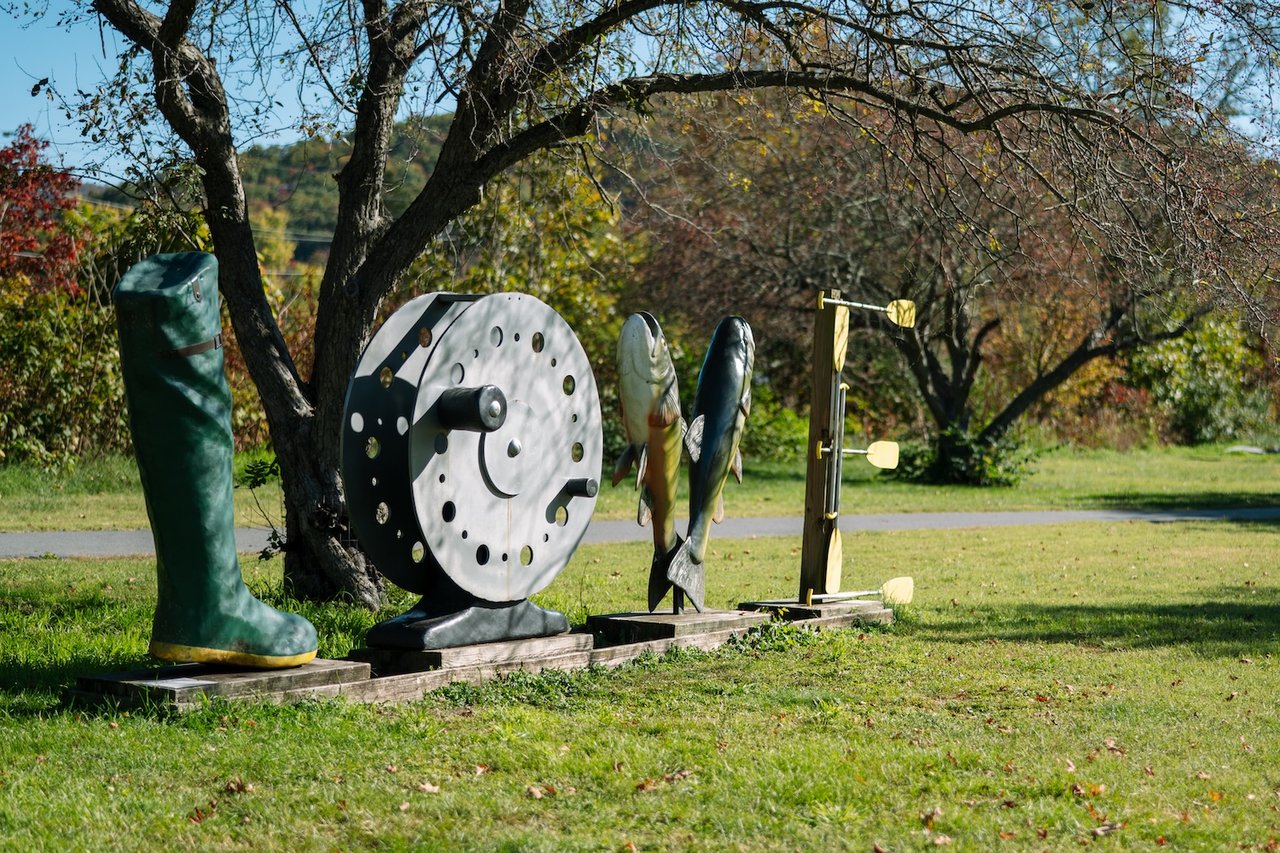
The oxbow pond was built for trout habitat, and trout are already part of how the park's streams are used. At its May 2026 meeting, the Lewis Creek Watershed Advisory Committee recorded that Ware Elementary fifth graders released 85 brook trout into Gum Springs Branch, a spring-fed stream in Gypsy Hill Park, on April 24, 2026. The students raised the fish in a classroom tank through Trout Unlimited's Trout in the Classroom program, and the committee supplied all the volunteers for the release.
The same notes show how many groups work on local streams. That spring, Shelburne Middle School students released 259 brook trout at the Shenandoah Boy Scout Camp in Swoope, with help from DEQ, the Virginia Department of Forestry and the Staunton Tree Stewards. A Bessie Weller Elementary release into Asylum Creek was scheduled for May 1. Brook trout need cold, clean water, so the people working on Staunton's streams use them as a measure of whether the water is in good shape.
The Duck Pond Is Next
The duck pond is the next water project on the list. In a June 2026 WHSV story about residents' concerns over the pond's condition, city communications manager Josh Knight said parks staff check the pond about three times a day. He said its three fountains keep the water aerated and that Public Works tests the nearby stream for E. coli. He listed a "long-awaited project to dredge the pond" that is coming up, along with the stream restoration finished in 2025.
The city's budget gives the project a number and a cost. Staunton's adopted FY2027 capital plan lists Duck Pond Dredging as project PR-2705 at $150,000, funded entirely with General Fund carryover, and estimates completion by July 1, 2026. That date has passed. In his September 24 update, Tuttle still called the dredging an upcoming capital project, alongside restroom upgrades at Gypsy Hill and Montgomery Hall parks and renovations of the spring boxes and spring houses. When a councilor asked about the spring boxes, Tuttle said they still work as wells but aren't currently in use. No public start date has been announced.
Until then, the city's pond rules stay the same. Knight said fishing is not allowed in the duck pond and asked visitors not to feed the ducks bread. Residents with maintenance or wildlife concerns get the fastest response by contacting Staunton Parks and Recreation directly.
Seeing the Creek Before the Holiday Crowds
Two events on the fall calendar bring crowds to the park, and the creek is easiest to see in daylight between them. Gypsy Hill Park is at 600 Churchville Ave., where Churchville Avenue meets Thornrose Avenue.
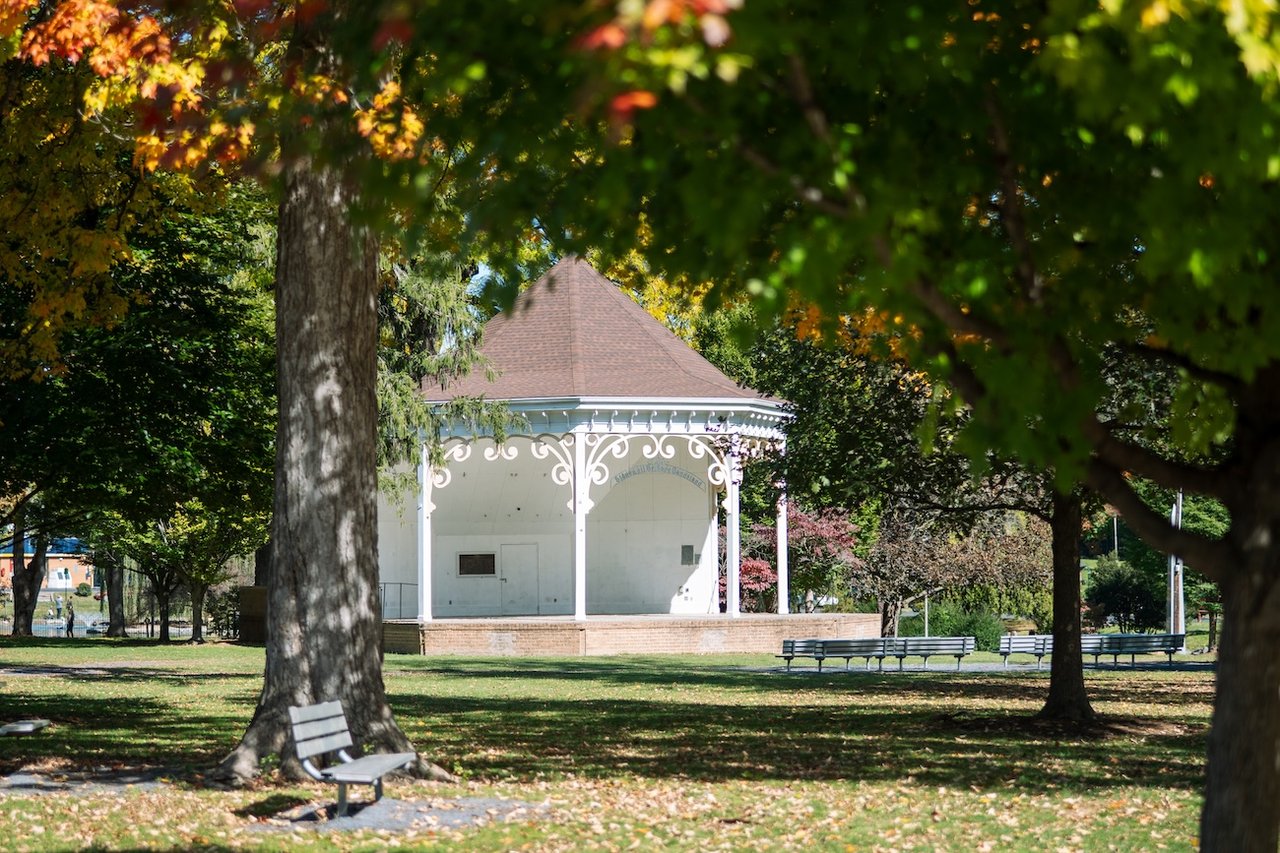
- October 23, 5:30 to 8:30 p.m. Frightfully Fun Film Night at the Gypsy Hill Park Bandstand, with pumpkin carving followed by the movie "Sketch," presented with New Directions Center.
- November 23 through January 1, 5 to 11 p.m. nightly. The Celebration of Holiday Lights returns for its 21st year. It's free. A volunteer committee organizes it, with the City of Staunton and Parks and Recreation among its sponsors. The city expects more than 32,000 vehicles to drive through the park over the season.
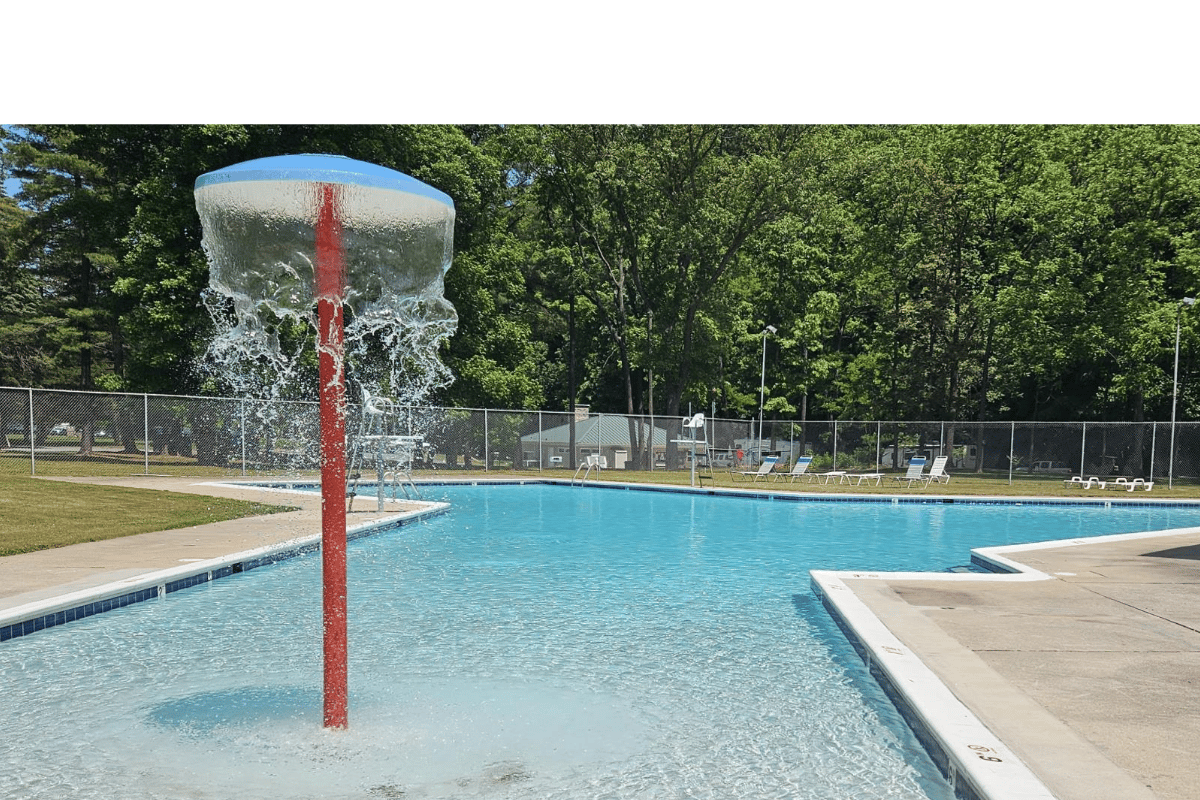
That leaves about a month between film night and the first night of the lights. The new pool house, which sits near the stretch of creek the city uncovered, replaced the original 1958 building and opened for the 2026 season. The city marked its completion with a ribbon-cutting and public open house on May 29.
Gypsy Hill Park is one of the reasons Gibbs Hill works the way it does, and the city is still investing in it, with the creek finished and the duck pond and spring boxes next. At Nest Realty - Shenandoah Valley, we track projects like the dredging schedule because they shape everyday life on the streets around the park. If you'd like to talk through how changes in Gypsy Hill Park fit with your plans for staying put or making a move, our full-time agents are glad to help you find your Shenandoah Valley home.